
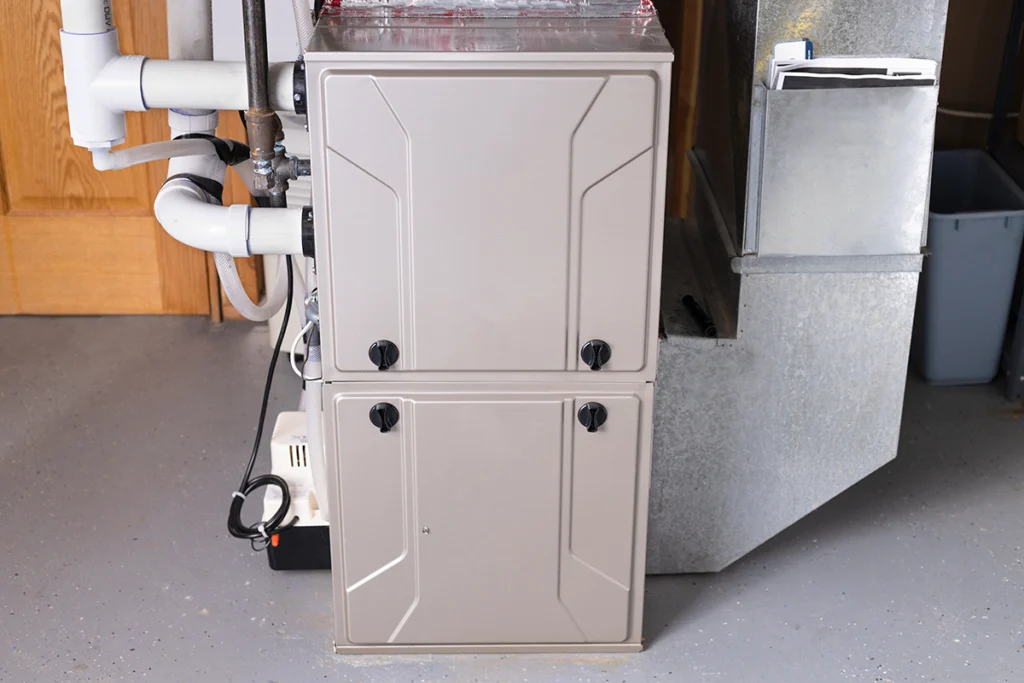
When your furnace blower capacitor not holding charge in Oswego NY keeps failing, the temptation is to swap the part and move on. But the capacitor itself is typically not the actual problem. In most cases, it’s a symptom of something upstream. That symptom means the component is working too hard or running outside its design limits. Before you call for a replacement capacitor, understand what kills these parts in the first place. Replacing the capacitor without fixing the underlying cause often leads to another failure. That’s why we recommend a full diagnostic from a licensed technician. A professional can find and address the real culprit so the repair actually lasts.
Why Your Furnace Blower Capacitor Won’t Hold a Charge
When your furnace blower capacitor won’t hold a charge, it’s rarely because the capacitor wore out on its own. In most cases, the failing capacitor is a symptom of a deeper problem. That underlying issue stresses the component until it breaks down. Understanding the upstream causes helps you avoid replacing the same part over and over while the real problem continues damaging your system.
The most common causes include voltage problems from your home’s electrical supply. Surges, brownouts, or loose connections send inconsistent power to the capacitor. Restricted airflow from a dirty filter or blocked vents forces the blower motor to work harder. This overheats the motor and draws excessive current through the capacitor. Failing or worn motor bearings create mechanical drag. That increases electrical load on the capacitor. In Oswego homes, humidity and temperature swings can degrade the connections and internal components over time. Refrigerant imbalances or duct leaks sometimes force the blower to cycle more frequently, wearing the start components faster than normal.
When a licensed technician diagnoses a capacitor that won’t hold a charge, they test the incoming voltage. They inspect the blower motor and its bearings. They check airflow restrictions and measure the motor’s actual current draw (amperage). If only the capacitor is replaced without addressing the cause, the new one often fails again within weeks or months. The underlying problem may damage the motor or control board next.
What Causes a Capacitor to Fail in Oswego NY Furnaces
A capacitor that keeps failing is almost always a symptom of a larger problem upstream. It is not the problem itself. The most common causes we find include electrical supply issues, a struggling blower motor, overheating, and the cumulative stress of age. When the blower motor works harder than it should, it draws more current through the capacitor. That extra demand can come from a clogged filter, dirty blower wheel, or worn bearings. It generates excessive heat. The heat breaks down the dielectric (the insulating layer inside the capacitor) over time. Eventually the capacitor will bulge, leak, or stop storing energy altogether.
Voltage problems are another frequent cause. Power surges, brownouts, or inconsistent voltage from the electrical panel can stress the capacitor with each heating cycle. This weakens it long before its normal lifespan ends. In older systems, loose wiring connections can create arcing or resistance. That heats up terminals and damages the capacitor body. Furnaces installed in hot attic spaces or poorly ventilated closets may also run hotter than designed. This accelerates capacitor aging. Research published by the National Institutes of Health shows that capacitor degradation accelerates significantly at elevated temperatures, with impedance increasing and capacitance decreasing rapidly at 80°C over short periods. When we respond to a furnace blower capacitor not holding charge in Oswego NY, our technicians check the motor’s amp draw. They measure the voltage at the capacitor terminals. They inspect the blower assembly for airflow obstructions. They test for intermittent electrical faults.
Replacing only the capacitor without addressing the underlying cause often means you’ll be replacing it again in weeks or months.
Why Replacing Only the Capacitor Doesn’t Fix the Problem
When your furnace blower capacitor fails, replacing it without finding the root cause usually leads to another breakdown. The new capacitor works briefly, then stops holding charge again. The same stress that destroyed the first one is still present. We see this pattern regularly when homeowners attempt a replacement on their own. It also happens when a technician swaps the part without inspecting the rest of the system.
If the underlying issue is a failing blower motor bearing, the motor draws excessive current every time it runs. That extra load overheats the capacitor’s internal components until they short out. Replace the capacitor alone, and the worn motor immediately starts damaging the new one. The same cycle repeats if voltage spikes from poor wiring force the blower to work harder. Dirt buildup restricting airflow or a refrigerant imbalance can cause the same problem.
Ignoring the upstream problem can escalate the damage. A struggling motor that continues to pull too much current may overheat and seize. Loose wiring that caused the first capacitor to fail can spark and damage the control board. When we diagnose a capacitor that isn’t holding charge, we trace the electrical flow. We measure the motor’s amp draw and inspect the components driving the failure so the repair actually lasts.
What a Licensed Technician Checks for a Failing Capacitor
When your furnace blower capacitor isn’t holding charge, a licensed technician doesn’t simply replace the part and hope for the best. Our team follows a diagnostic sequence to find the underlying cause. We start with voltage testing at the electrical supply. We measure incoming voltage to confirm it matches the unit’s specifications. Chronic undervoltage or spikes can degrade the capacitor’s dielectric over time. The dielectric is the insulating layer inside the case. Swapping the capacitor won’t fix a supply problem.
Next, we inspect the blower motor itself. A motor with worn bearings draws more amperage than the capacitor was designed to handle. That generates heat inside the capacitor and shortens its life. We listen for grinding or squealing. We check for excessive play in the shaft. We measure the motor’s actual amp draw against its rated load. If the motor is pulling extra current, replacing the capacitor alone will only lead to another failure within weeks.
We also examine airflow and electrical connections. A clogged filter or blocked return forces the blower to work harder. That increases the load on the capacitor. Corroded or loose wire terminals create resistance that overheats the connections and the capacitor housing. By addressing these root causes first, we ensure the new capacitor operates within its design limits. If you’re seeing repeated failures, call us so we can diagnose the full picture and restore reliable heating to your Oswego home.
When to Call Syracuse Heating & Cooling
If your furnace blower starts and then shuts down within seconds, the capacitor may have failed. The same is true if it makes a humming noise without the fan spinning or won’t turn on at all. You should also call immediately if you hear a clicking sound from the furnace cabinet. Call right away if you smell anything burning near the blower. These symptoms can escalate quickly. Running the furnace repeatedly while the capacitor is failing can damage the blower motor itself.
When we respond to a blower capacitor call in Oswego, we don’t just swap the part. Our licensed technicians test the capacitor to confirm it’s not holding charge. They inspect the electrical supply and check voltage at the unit. They measure airflow across the heat exchanger. We examine the blower motor for signs of overheating or bearing wear. We inspect the filter and ductwork for restrictions. We verify that the furnace isn’t cycling on a limit switch. That root-cause approach finds the reason the capacitor failed. You won’t be replacing it again in a few months.
We’re available around the clock for emergency service, and we serve your neighborhood. You don’t have to diagnose this yourself. Fill out our quick online form or give us a call. We’ll schedule a visit that fits your day.
Frequently Asked Questions
Why does my furnace blower capacitor not holding charge in Oswego NY keep failing?
The capacitor keeps failing because an upstream problem is stressing it beyond its design limits. Common causes include a struggling blower motor with worn bearings, voltage spikes from your electrical panel, restricted airflow from a dirty filter, or overheating in poorly ventilated spaces. A licensed technician tests motor amp draw, measures incoming voltage, and inspects airflow to find the real culprit.
Can I just replace the capacitor myself when it stops holding charge?
Capacitors store lethal voltage even after power is removed, and handling them without proper training and discharge procedures poses a serious shock hazard. Beyond the safety risk, replacing only the capacitor without diagnosing why it failed almost guarantees another breakdown within weeks or months. The same electrical problem, motor overload, or airflow restriction that destroyed the first capacitor will immediately start damaging the new one. Our licensed technicians trace the root cause, voltage issues, motor wear, or airflow problems, so the repair actually lasts and prevents bigger damage.
What happens if I ignore a furnace blower capacitor not holding charge in Oswego NY?
Ignoring a failing capacitor can damage the blower motor itself, since the motor will try to start without the electrical boost it needs. You may hear humming without airflow, experience repeated shutdowns, or eventually face a seized motor. The underlying problem, voltage spikes, bearing wear, or airflow restrictions, will also worsen and may damage other components.
How do Syracuse Heating & Cooling technicians find the cause of a failing capacitor?
Our technicians test voltage at the electrical supply and capacitor terminals, measure the blower motor’s actual amp draw against its rated load, and inspect for airflow restrictions like clogged filters or blocked returns. We also check motor bearings for wear, examine wiring connections, and verify the system isn’t cycling on safety limits.
Dave s an experienced HVAC writer for Syracuse Heating & Cooling, covering heating, air conditioning, indoor air quality, system maintenance, troubleshooting, and energy efficiency. He specializes in turning complex HVAC topics into straightforward, practical advice that helps Central New York homeowners make smarter decisions about their comfort systems.
Dave s an experienced HVAC writer for Syracuse Heating & Cooling, covering heating, air conditioning, indoor air quality, system maintenance, troubleshooting, and energy efficiency. He specializes in turning complex HVAC topics into straightforward, practical advice that helps Central New York homeowners make smarter decisions about their comfort systems.