
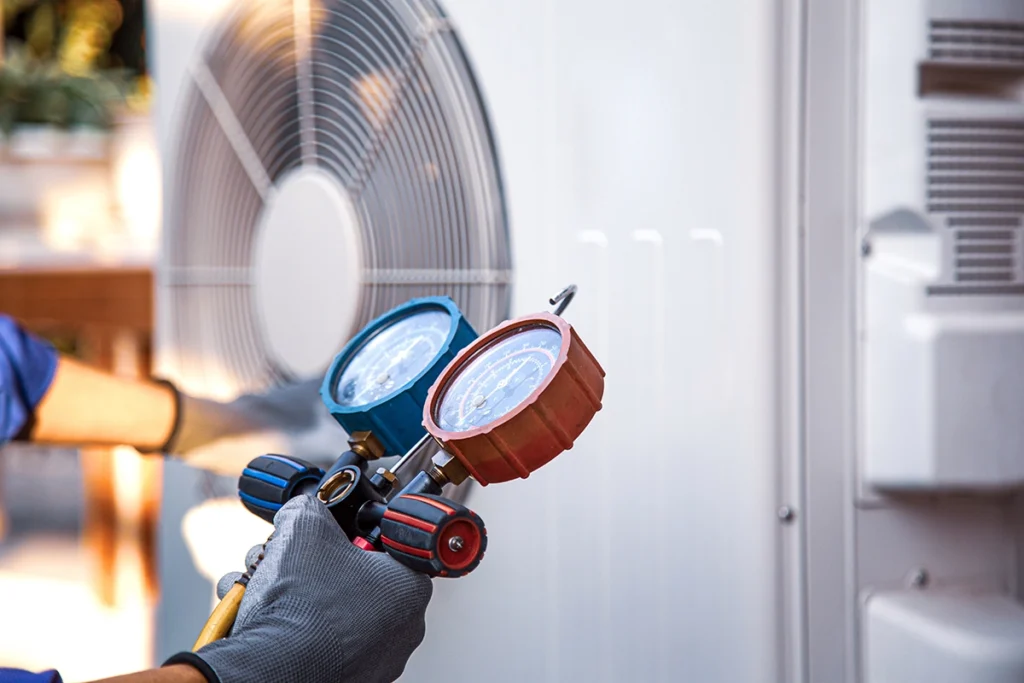
Signs your HVAC system is failing include strange noises, difficulty maintaining temperature, and rising energy bills. If you’re noticing these symptoms, you’re right to take them seriously. Catching problems early can prevent a complete breakdown and the discomfort that comes with it. These symptoms usually point to underlying issues. They need professional attention. We’ve helped countless homeowners across Central New York diagnose failing HVAC equipment. We know how to spot the difference between a simple fix and a system nearing the end of its life.
Why HVAC Systems Fail Over Time
Your heating and cooling system runs hundreds of hours each year. Every cycle creates stress on mechanical parts, electrical connections, and refrigerant lines. Moving components like blower motors and compressor components experience friction and heat. This gradually wears down bearings and seals. Electrical contacts can oxidize, reducing conductivity and creating resistance hot spots. Over years of operation, refrigerant lines may develop tiny leaks at soldered joints. Ductwork can pull apart at seams or develop gaps. The Department of Energy notes that in moderate climates a heat pump can be an energy-efficient alternative to a furnace or air conditioner, and using one efficiently can help save energy at home.
Environmental factors accelerate wear even faster. Dust and debris coat heat exchangers and evaporator coils. This forces your system to work harder to transfer the same amount of heat. Moisture around outdoor units can corrode wiring and cabinet panels. Basement humidity affects indoor components.
Even well-maintained systems eventually reach thermal fatigue. Repeated heating and cooling cycles weaken metal and plastic parts until they crack or fail. When you notice signs your HVAC system is failing, those symptoms often trace back to cumulative wear. Uneven temperatures, unusual noises, or rising energy bills mean the damage has crossed a performance threshold. We inspect every component to pinpoint exactly where age and stress have created the problem. You get a clear diagnosis before any repair begins.
Signs Your HVAC System Is Failing
Catching problems early can prevent a complete breakdown. Your system often gives clear warning signs before it fails completely.
Watch for weak or uneven airflow throughout your home. When some rooms stay comfortable while others feel too hot or too cold, your equipment is struggling. It cannot distribute conditioned air properly. Strange noises are another red flag. Grinding, squealing, or banging sounds point to worn bearings, loose components, or motor trouble. These issues need immediate attention. Rising energy bills without a change in your usage habits often mean trouble. Your system is working harder to deliver the same comfort. Efficiency has dropped significantly.
You might also notice short cycling. The unit turns on and off frequently instead of completing full cycles. This pattern stresses every part of the system and drives up wear. Moisture or unusual odors near your indoor or outdoor unit signal problems. Refrigerant leaks, drainage issues, or electrical faults require a licensed technician’s diagnosis.
If you spot any of these symptoms, contact Syracuse Heating & Cooling for a professional inspection. Address the problem before it turns into an emergency repair.
Strange Noises and Odors from Your System
When your HVAC system starts making unusual sounds, it’s often trying to tell you something is wrong. A grinding or metal-on-metal scraping usually points to worn motor bearings inside the blower assembly. A high-pitched squealing can signal a loose or fraying belt. Banging or clanking noises may mean a component has come loose. A hissing sound could indicate a refrigerant leak or ductwork breach. Pay attention to rhythmic clicking during startup, which may be normal. Constant clicking suggests a failing relay or control board.
Odors are equally important warning signs your HVAC system is failing. A burning smell on first use after a long break is typically dust on the heat exchanger. A persistent electrical or plastic odor means you should shut the system down immediately and call us. A musty, moldy smell points to moisture buildup in your ducts or evaporator coil. A sulfur or rotten-egg odor near a gas furnace can signal a dangerous gas leak.
When we respond to a noise or odor complaint, our certified technicians inspect the blower motor, belts, electrical connections, and heat exchanger for damage or wear. Catching these symptoms early prevents a minor repair from becoming a complete system failure.
Rising Energy Bills and Poor Performance
When your heating and cooling system struggles to maintain comfort, it often works longer cycles to reach the thermostat setting. That extra runtime translates directly into higher utility bills. If you notice your energy costs climbing month after month without a corresponding change in usage or rates, your HVAC system is likely losing efficiency.
Several failing components can trigger this decline. A failing compressor forces the system to run continuously without delivering adequate cooling. Worn blower motors draw more electricity while moving less air. Dirty or degraded coils reduce heat transfer. This means the system must run longer to produce the same temperature change. Even a clogged filter or worn capacitors can cause the system to consume more power while delivering weaker performance.
We see this pattern regularly during diagnostic calls in Syracuse. The homeowner reports higher bills alongside rooms that never quite reach the desired temperature. They also notice longer run times or weak airflow from the vents. When we inspect the system, we measure the actual efficiency using temperature differential readings and amp draws. This helps us pinpoint which component is dragging performance down. Addressing these issues early restores both comfort and efficiency. It also prevents the system from working itself into a complete failure. If your bills are climbing while your comfort is dropping, contact Syracuse Heating & Cooling for a thorough diagnostic inspection.
When to Call for HVAC Service
If you notice any warning signs your HVAC system is failing, schedule an inspection quickly. This can prevent a complete breakdown. Unusual noises, weak airflow, inconsistent temperatures, or rising energy bills all signal trouble. Something inside the system needs professional attention. Small issues like a failing blower motor or a refrigerant leak only worsen over time. They often lead to more extensive damage if left unaddressed.
Some situations demand immediate action. If your system stops working entirely, produces burning smells, or trips your circuit breaker repeatedly, turn it off. Contact us right away. Our team is available around the clock for emergency service. You’re never left without heating or cooling when you need it most. For less urgent concerns like gradual efficiency loss or minor performance changes, schedule a diagnostic visit. This helps you catch problems early and keep your system running reliably.
Syracuse Heating & Cooling provides thorough inspections, detailed diagnostics, and a clear explanation of what your system needs. We’re licensed, insured, and ready to help you decide whether repair or replacement makes the most sense for your home. Fill out our contact form or call us today to schedule your service.
Frequently Asked Questions
What are the most common signs your HVAC system is failing?
The most common signs include unusual noises like grinding or squealing, weak or uneven airflow, rooms that won’t reach the desired temperature, rising energy bills, and short cycling. If you notice any of these symptoms, contact Syracuse Heating & Cooling for a professional inspection to diagnose the problem before a complete breakdown.
How long should an HVAC system last before showing signs of failure?
Most residential HVAC systems last 15 to 20 years with proper maintenance, though performance often declines in the final years. Systems in Syracuse may wear faster because both heating and cooling equipment run heavily during seasonal temperature swings. We can inspect your system and help determine whether repair or replacement makes sense.
Can rising energy bills mean my HVAC system is about to fail?
Yes, climbing energy costs without usage changes often signal declining efficiency from worn components like failing motors, refrigerant leaks, or degraded coils. Your system runs longer cycles to maintain comfort, driving up utility bills. We measure actual performance during diagnostic inspections to pinpoint the cause and recommend the right solution.
Should I repair or replace my HVAC system when I notice warning signs?
If your equipment is over 15 years old and needs a major repair, replacement often makes more financial sense. The decision depends on the system’s age, the severity of the problem, and repair costs relative to replacement value. We provide a thorough inspection and clear explanation of your options for an informed decision.
Dave s an experienced HVAC writer for Syracuse Heating & Cooling, covering heating, air conditioning, indoor air quality, system maintenance, troubleshooting, and energy efficiency. He specializes in turning complex HVAC topics into straightforward, practical advice that helps Central New York homeowners make smarter decisions about their comfort systems.
Dave s an experienced HVAC writer for Syracuse Heating & Cooling, covering heating, air conditioning, indoor air quality, system maintenance, troubleshooting, and energy efficiency. He specializes in turning complex HVAC topics into straightforward, practical advice that helps Central New York homeowners make smarter decisions about their comfort systems.